
Often called the “powerhouse of the cell,” mitochondria play a central role in energy production, cellular metabolism, and the regulation of cell life and death. Their dysfunction is directly linked to a wide range of diseases—from neurodegeneration to cancer.

Beyond energy generation, mitochondria are key players in calcium signaling, apoptosis, and immune responses. Their health determines how cells adapt, survive, and function—making them central to our therapeutic strategies.

Mitochondria generate over 90% of a cell’s energy through ATP production.
They regulate cell fate via calcium homeostasis and redox signaling.
Mitochondria control apoptosis, which is crucial for tissue health.
They influence innate immunity and inflammatory responses.

When mitochondria fail to function properly, the consequences at the cellular level are profound. Cells begin to lose their capacity to produce sufficient energy (ATP), leading to impaired function and survival.
Mitochondrial dysfunction has been increasingly recognized as a fundamental driver of numerous diseases, including neurodegenerative disorders, metabolic conditions, cardiovascular diseases, and accelerated aging.
Healthy mitochondria ensure the balance of cellular homeostasis. Interventions that preserve or restore mitochondrial function are critical for preventing chronic diseases and improving overall cellular health.
When properly maintained, mitochondria support energy production, protect against oxidative stress, and enhance the cell’s resilience against aging and degeneration.
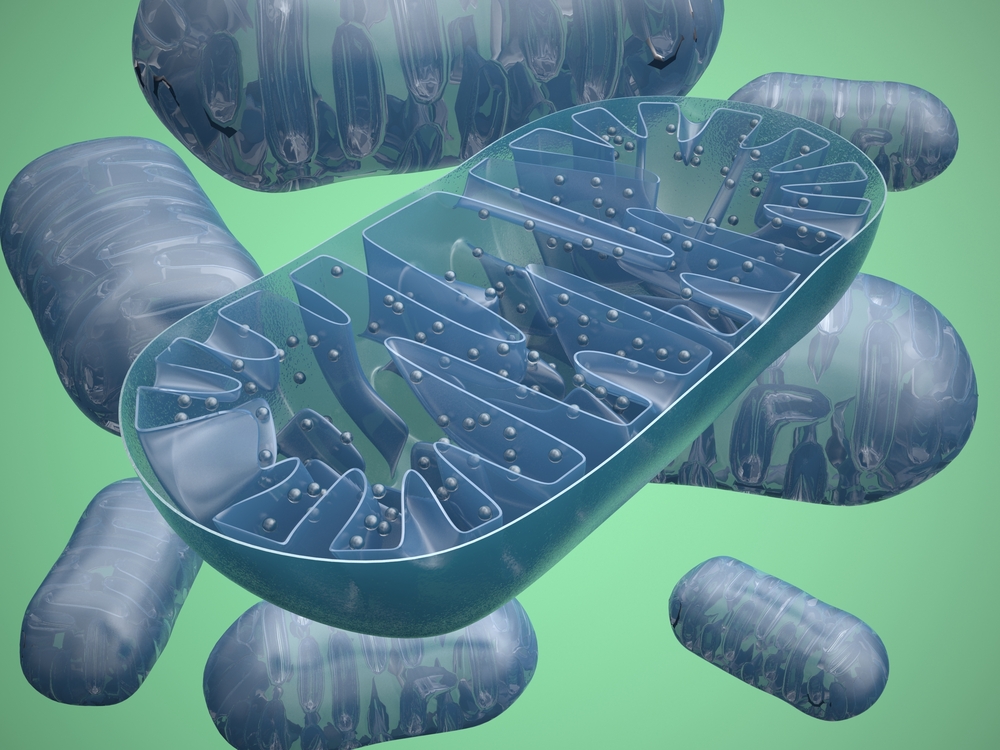

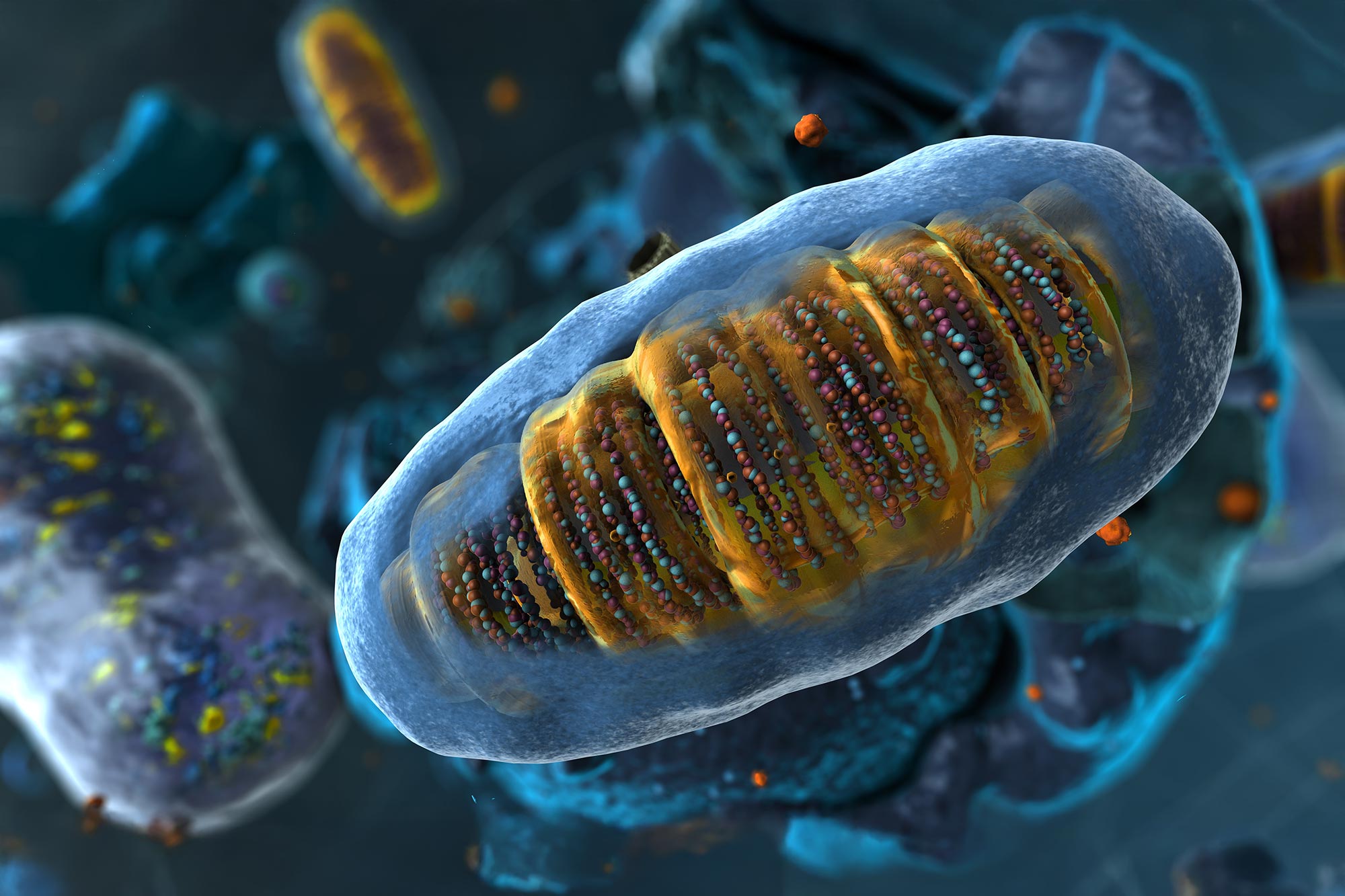

PAEAN is developing mitochondria-based technologies which offer potential therapeutic avenues for a wide range of diseases, from rare disease like Polymyositis/Dermatomyositis to mitochondrial dysfunction related diseases like neurodegenerative diseases, cancer, etc.

Headquarter : 108SB, DaeduckBiz Center
17 Techno 4-ro, Yuseong-gu, Daejeon 34013, Korea
Mail : info@paeanbio.com
Phone : 042-334-7378 | Fax : 042-334-7096
Copyrights © 2026 All Rights Reserved by PAEAN BIOTECHNOLOGY